





Multi-layer woodboard
Multi-layer wood board, multi-layer panels or simply multi-layer board can refer to a variety of engineered wood products, depending on location and the manufacturer. However in general it is a board product made up of 3 or more 3 layers of material, with each layer often being solid wood and slightly thicker than that found in plywood, normally around 3-6mm and the layer can vary in thickness. The term may however be used to refer to any type of engineered and layered board product, it might also be used to refer to a thick type plywood board that has more than five layers at the same thickness, although this is often called multiplex board.
In general multi-layer wood boards are normally timber-based sheet materials that comprise of multiple layers of similar thickness timber, glued under high pressure, with the grain of each layer laid at 90 degrees to the previous. The wooden layers tend to be solid wood, although because they are relatively thick (in comparison to plywood or veneers) a few examples of such products might comprise of layered composite wood products.
[edit] Uses
In general multi-layer board is slightly stronger than similar products such as blockboard, coreboard or laminboard and as such can be used in flooring solutions and general construction. It is also used in furniture production, indoor wall cladding and so on, normally mostly interior use due to the specification of glues.
[edit] Working
Multi-layer board can be worked with standard tools, easily sawn, good screw and nail-holding properties, and because of its greater improved rigidity and strength, has some spanning capability, such as between joists. It is not as strong or hard wearing as multiple layer plywood products (multiplex) because it tends to be softwood based, with thicker layers, therefore less dense and with less glue, it does however tend to be lighter.
[edit] Related articles on Designing Buildings
- Adhesives.
- Cedar.
- Chipboard.
- Confederation of Timber Industries.
- Cross-laminated timber.
- Engineered bamboo.
- Engineered wood products EWP.
- Glulam.
- Laminated veneer lumber LVL.
- Lime wood.
- Medium density fibreboard - MDF
- Modified wood.
- Oriented strand board.
- Plywood.
- Softwood.
- Timber.
- Timber construction for London.
- Timber preservation.
- Timber vs wood.
- Types of timber.
Featured articles
Check out some of the best features and news from Designing Buildings as well as key stories from around the web.
Why construction can't afford to ignore the skills gap.
Building Safety Regulator, 19 August

Gill Kernick appointed Independent Chair of Residents’ Panel.
Connecting knowledge, technology and conservation
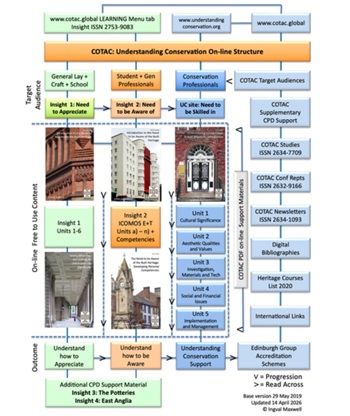
Building competence for the future of built heritage.
Building Regulations and Building Safety Act
CIOB publishes free advice for non-domestic clients.

Building Safety Newsletter from MHCLG.
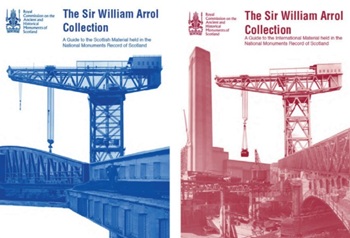
An extraordinary record of steel engineering worldwide.

Households living near new pylons to save on bills.

ECA warns growth must not outpace grid capacity or skills.
The role of the client and decision making

CIOB response to built environment professions call for evidence.
Construction's sustainability reporting revolution
Tracking upfront embodied carbon with digital tools.
ECA welcomes procurement reforms

Public spending must back British jobs and skills.
Campaigning for Edinburgh: the Cockburn Association 1875-2049

The role of the civic voice in protecting character. Book review.